

Views: 0 Author: Site Editor Publish Time: 2026-03-30 Origin: Site


Did you know that medical oxygen cylinders are vital for patient care in hospitals? Choosing the right cylinder can significantly impact treatment outcomes. In this article, we’ll explore the importance of medical oxygen cylinders, the different types available, and key considerations for hospital procurement. You’ll learn how to make informed decisions for optimal patient care.
When it comes to medical oxygen cylinders, understanding the various types available is crucial for effective procurement. Each type of cylinder serves different needs, and knowing their characteristics helps ensure the right choice for patients.
Small portable cylinders, often classified as sizes A, B, C, D, and E, are lightweight and designed for patients who need oxygen while on the move. These cylinders are typically made from aluminum, which keeps their weight down without sacrificing capacity.
Common Types: M4, ML6, M6, M7, M9
Capacity: 113-425 liters (3.99-15.01 cubic feet)
Weight: 1.6-5.3 lbs.
Use Case: Ideal for active clients needing mobility, these cylinders support daily activities and short trips.
Medium cylinders strike a balance between capacity and portability. They are also frequently constructed from aluminum, making them manageable for moderately active patients who require a larger oxygen supply than small cylinders can provide.
Common Types: M15, M22, M24
Capacity: 640-680 liters (22.60-24.01 cubic feet)
Weight: 7.9-8 lbs.
Use Case: Suitable for home use and moderate activities, these cylinders offer more oxygen without being overly cumbersome.
Large cylinders are designed for patients needing a continuous oxygen supply in stationary settings, such as hospitals or home care environments. Typically made from durable steel, these cylinders are built to withstand high pressure and provide significant storage capacity.
Common Types: M60, M/MM/M122, M250
Capacity: 1,738-7,080 liters (61.38-250.03 cubic feet)
Weight: 22.3-114 lbs.
Use Case: Ideal for clients who require a constant oxygen supply, these cylinders minimize the need for frequent refills.
When selecting a cylinder, consider how the size and capacity relate to patient needs. Small portable cylinders are perfect for those who need to maintain an active lifestyle, while medium cylinders provide a middle ground for home use. Large cylinders, while less portable, are essential for patients requiring uninterrupted oxygen flow over extended periods.
Choosing the right type of cylinder involves evaluating the patient's mobility and oxygen needs. A well-informed decision can enhance patient care and ensure that oxygen therapy is delivered effectively and efficiently.
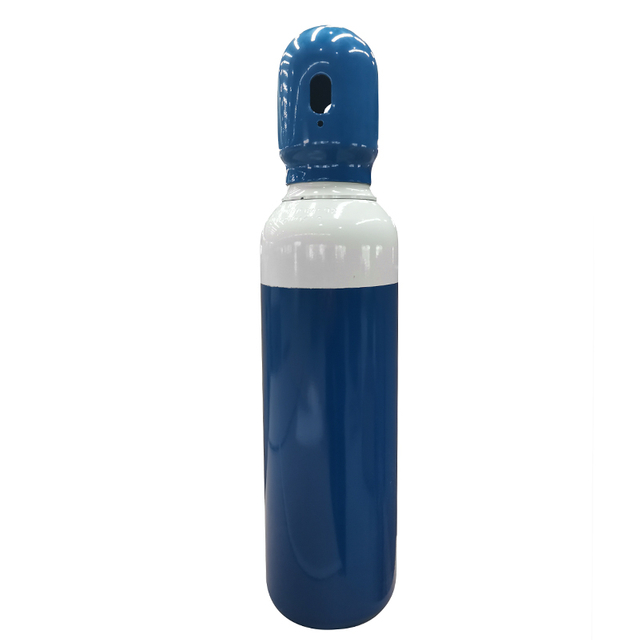
When it comes to medical oxygen cylinders, the material used in their construction plays a crucial role in their performance, safety, and usability. Understanding the differences between steel, aluminum, and fiber cylinders is essential for hospitals and healthcare providers to make informed procurement decisions.
Steel cylinders have long been a standard choice in medical oxygen delivery systems. Their robust construction makes them highly durable, capable of withstanding high pressure without compromising safety.
Durability: Steel is resistant to punctures and impacts, making these cylinders suitable for stationary settings like hospitals.
Capacity: They typically offer larger storage capacities, which is beneficial for continuous oxygen supply.
Weight: However, their heavier weight can be a disadvantage for patient mobility.
Applications: Often used in clinical environments where the cylinder remains stationary, steel cylinders are ideal for patients requiring a consistent oxygen supply.
Aluminum cylinders are increasingly popular due to their lightweight nature. Constructed from aluminum alloy, these cylinders strike a balance between durability and portability.
Portability: Their lighter weight allows patients to carry them easily, making them suitable for home healthcare or active lifestyles.
Capacity: While they may not hold as much oxygen as steel cylinders, they still provide ample supply for intermittent use.
Applications: Ideal for patients who need mobility, aluminum cylinders support daily activities and short trips without the burden of heavy equipment.
Fiber cylinders represent the latest advancement in oxygen cylinder technology. Made from composite materials like carbon fiber or fiberglass, they offer unique benefits.
Weight: Fiber cylinders are the lightest option available, making them exceptionally portable and easy to handle.
Durability: Despite their lightweight construction, they maintain excellent pressure resistance, ensuring safe oxygen delivery.
Applications: These cylinders are perfect for patients who require flexibility, such as those who travel frequently or engage in various activities. Their portability enhances patient independence, allowing for a more active lifestyle.
In summary, each type of medical oxygen cylinder serves specific needs based on its material composition. Steel cylinders provide durability and larger capacity for stationary use, aluminum cylinders offer a balance of weight and functionality for active patients, and fiber cylinders excel in portability and flexibility for various lifestyles.
Understanding these differences allows healthcare providers to select the right cylinder type that aligns with patient needs, ensuring effective oxygen therapy and enhancing quality of life.
When selecting a medical oxygen cylinder for patients, understanding their specific oxygen needs is crucial. Each patient may have different requirements based on their health conditions, lifestyle, and mobility. Evaluating these needs ensures that the right cylinder is chosen to provide effective oxygen therapy.
The flow rate is a vital factor in determining the appropriate oxygen cylinder. Flow rates can vary significantly depending on the patient's medical needs. For instance, patients with chronic obstructive pulmonary disease (COPD) may require a higher flow rate compared to those needing supplemental oxygen during sleep.
Common Flow Rate Ranges:
Low-flow systems: 1-5 liters per minute (LPM)
High-flow systems: 6-15 LPM
Understanding the patient's prescribed flow rate helps in selecting a cylinder that maintains adequate oxygen supply without frequent refills.
Patients may need oxygen continuously or intermittently, which influences the type of cylinder to procure.
Continuous Oxygen Requirements:
Patients requiring a steady flow of oxygen, such as those with severe respiratory conditions, benefit from larger cylinders. These provide a consistent supply and reduce the need for frequent refills.
Intermittent Oxygen Requirements:
For patients who only need oxygen during specific activities or times, smaller, portable cylinders are ideal. These allow for mobility and convenience while still meeting the patient's needs.
After assessing the flow rates and understanding the oxygen requirements, it’s essential to match the right cylinder type to the patient’s lifestyle and needs.
Active Patients:
Small portable cylinders made from aluminum or fiber are suitable. They are lightweight and easy to carry, allowing patients to maintain an active lifestyle.
Home Care Patients:
Medium cylinders offer a balance between capacity and portability, making them ideal for those who need more oxygen but still want to move around their home.
Stationary Patients:
Large steel cylinders are best for patients requiring a constant supply of oxygen at home or in clinical settings. They offer higher capacity but are less portable.
By carefully evaluating the patient’s oxygen needs, healthcare providers can ensure they select the most appropriate cylinder type. This not only enhances the effectiveness of oxygen therapy but also improves the patient's quality of life, allowing them to engage in daily activities with greater freedom.
When selecting a medical oxygen cylinder, understanding how mobility and lifestyle factors into the decision is crucial. The right oxygen cylinder can significantly enhance a patient's quality of life, allowing them to maintain independence and engage in daily activities. Here are some key considerations regarding mobility and lifestyle when choosing the appropriate cylinder.
The weight of an oxygen cylinder plays a vital role in patient mobility. Heavier cylinders can be cumbersome, making it difficult for patients to move freely. For instance, patients who need to travel frequently or engage in outdoor activities may struggle with large, steel cylinders.
Lightweight Options: Aluminum and fiber cylinders are designed to be lightweight, making them easier to carry and transport.
Patient Independence: A lighter cylinder enables patients to participate in social activities, errands, and even exercise without feeling restricted.
Active clients require oxygen solutions that align with their lifestyle. Selecting the right cylinder type can help them maintain their independence while ensuring they receive adequate oxygen supply.
Small Portable Cylinders: These are ideal for patients who want to stay active. They are lightweight and easy to carry, making them perfect for short trips or daily activities.
Medium Cylinders: For those who need a bit more oxygen but still want to maintain mobility, medium cylinders offer a balance. They are manageable for home use and can support moderate activities.
Large Cylinders: While large cylinders are not portable, they are suitable for patients who primarily stay at home and need a continuous oxygen supply.
Understanding the difference between stationary and mobile oxygen solutions is crucial for effective patient care.
Stationary Solutions: Large steel cylinders are typically used in clinical settings or at home for patients who require a constant oxygen supply. These cylinders are robust and can store a significant amount of oxygen, reducing the need for frequent refills. However, they are not suitable for active patients due to their weight and bulkiness.
Mobile Solutions: Lighter options, such as aluminum and fiber cylinders, cater to patients who need to move around. These cylinders are designed for portability, allowing patients to carry them easily and engage in their daily lives without feeling confined.
The choice between stationary and mobile solutions depends on the patient's lifestyle and oxygen needs. Assessing their activities and mobility levels is essential to ensure they receive the right support.
When selecting a medical oxygen cylinder, planning for the duration of use and the frequency of refills is essential. This planning ensures that patients receive a steady supply of oxygen without interruptions, which can be critical for their health and well-being. Here are the key factors to consider in this process.
Oxygen consumption rates vary based on the patient's condition and therapy requirements. Understanding these rates helps in selecting a cylinder that will last for the intended duration without the need for frequent refills.
Typical Flow Rates: Patients may require different flow rates, which can range from 1 to 15 liters per minute (LPM). Higher flow rates demand larger capacity cylinders to avoid running out of oxygen quickly.
Duration Calculation: To estimate how long a cylinder will last, divide the cylinder's capacity (in liters) by the flow rate (in LPM). For example, a cylinder with a capacity of 1,000 liters at a flow rate of 5 LPM will last for approximately 200 minutes.
Refilling logistics are crucial for maintaining a consistent oxygen supply. Different cylinder types have varying refill requirements and processes.
Small and Medium Cylinders: These are generally easier to refill and can be managed with portable refill stations. Their lightweight design allows for quick transport to refill locations.
Large Cylinders: Refilling large cylinders may require specialized equipment and facilities. These cylinders often need to be transported to a medical facility or a dedicated refill site, which can delay access to oxygen.
Scheduling Refills: Establish a regular schedule for refilling based on patient usage patterns. This proactive approach minimizes the risk of running out of oxygen unexpectedly.
Effective management of oxygen supplies can greatly enhance patient care. Here are some strategies to ensure a reliable oxygen supply:
Inventory Management: Keep track of oxygen cylinder levels and usage rates. Implement an inventory management system to monitor supplies and anticipate refill needs.
Emergency Preparedness: Always have backup cylinders available. This ensures that patients have access to oxygen during emergencies or unexpected delays in refilling.
Patient Education: Educate patients and caregivers on how to monitor their oxygen levels and when to request refills. This can empower them to manage their oxygen supply proactively.
Collaborate with Suppliers: Work closely with oxygen suppliers to ensure timely deliveries and refills. Establishing a good relationship can lead to quicker response times when urgent needs arise.
By carefully planning for duration and refill frequency, healthcare providers can ensure that patients receive uninterrupted oxygen therapy. This not only enhances patient safety but also improves their overall quality of life.
When utilizing medical oxygen cylinders, safety and maintenance are paramount to ensuring patient well-being and effective oxygen delivery. Proper handling, regular inspections, and emergency preparedness are essential components of a comprehensive safety protocol. This section outlines best practices to maintain the integrity of oxygen cylinders and safeguard users.
Handling medical oxygen cylinders requires care and adherence to safety guidelines. Here are key practices to follow:
Upright Position: Always store cylinders in an upright position. This minimizes the risk of falling or rolling and helps prevent damage to the cylinder or valve.
Secure Storage: Use racks or chains to secure cylinders in place, especially in areas with high foot traffic. This prevents accidental tipping or falling.
Ventilation: Store cylinders in well-ventilated areas, away from direct sunlight, heat sources, or flammable materials. Oxygen supports combustion, so keeping it away from potential ignition sources is crucial.
Labeling: Clearly label storage areas and cylinders. Use appropriate signage to indicate the presence of oxygen and ensure that all staff members are aware of the hazards.
Regular maintenance and inspections are vital for ensuring the safety and reliability of oxygen cylinders. Here’s what to consider:
Routine Checks: Conduct routine visual inspections of cylinders for signs of damage, corrosion, or leaks. Look for any cracks, dents, or rust that could compromise cylinder integrity.
Valve Functionality: Check the cylinder valve for proper operation. Ensure it opens and closes smoothly without any resistance. If a valve is faulty, it may need immediate replacement.
Pressure Testing: Follow manufacturer guidelines for pressure testing. Most cylinders require requalification every 5-10 years to ensure they meet safety standards. This process checks for structural integrity and compliance with regulations.
Cleaning Protocols: Clean the cylinder exterior regularly to remove dust and contaminants. Use non-flammable cleaning agents to avoid introducing hazards.
Being prepared for emergencies is essential when working with oxygen cylinders. Implement the following protocols:
Emergency Plan: Develop and communicate an emergency response plan for dealing with oxygen-related incidents. Ensure all staff members are trained on procedures for leaks, fires, or other emergencies.
Fire Safety Equipment: Equip storage areas and treatment rooms with appropriate fire safety equipment, such as extinguishers rated for oxygen fires. Ensure staff knows how to use this equipment effectively.
First Aid Training: Train staff in first aid and emergency response related to oxygen therapy. This includes recognizing the signs of oxygen toxicity or respiratory distress and knowing how to respond appropriately.
Regular Drills: Conduct regular emergency drills to ensure staff are familiar with procedures. This helps reinforce knowledge and readiness in case of an actual emergency.
By implementing these safety and maintenance practices, healthcare facilities can ensure the safe use of medical oxygen cylinders. This not only protects patients but also enhances the overall quality of care provided.
Choosing the right medical oxygen cylinder involves understanding patient needs, flow rates, and cylinder types. Consider mobility, lifestyle, and refill logistics when making procurement decisions. Proper handling and maintenance are crucial for safety. RUIYING offers a range of high-quality oxygen cylinders tailored for various patient requirements. Their products emphasize durability, portability, and efficiency, ensuring optimal oxygen delivery. For healthcare facilities, partnering with RUIYING enhances patient care and supports effective oxygen therapy solutions.
A: A Medical Oxygen Cylinder is a container designed to store and deliver oxygen for medical use, ensuring patients receive the necessary oxygen therapy.
A: To choose the right Medical Oxygen Cylinder, assess the patient's oxygen needs, mobility, and lifestyle to determine the appropriate size and type.
A: The material of a Medical Oxygen Cylinder affects its durability, weight, and portability, which are crucial for patient safety and ease of use.
A: The costs of Medical Oxygen Cylinders vary based on size, material, and supplier, so it's essential to compare prices for effective procurement.
A: To troubleshoot a Medical Oxygen Cylinder, check for leaks, ensure the valve is functioning properly, and verify that the cylinder is adequately filled.


