

Views: 0 Author: Site Editor Publish Time: 2026-02-26 Origin: Site


An oxygen cylinder is a vital tool for home oxygen therapy and emergencies. Knowing how to use it safely ensures proper oxygen flow and comfort. This guide explains cylinder types, components, flow adjustment, and safe usage tips, helping you handle portable or home oxygen cylinders confidently while keeping safety and efficiency a top priority.
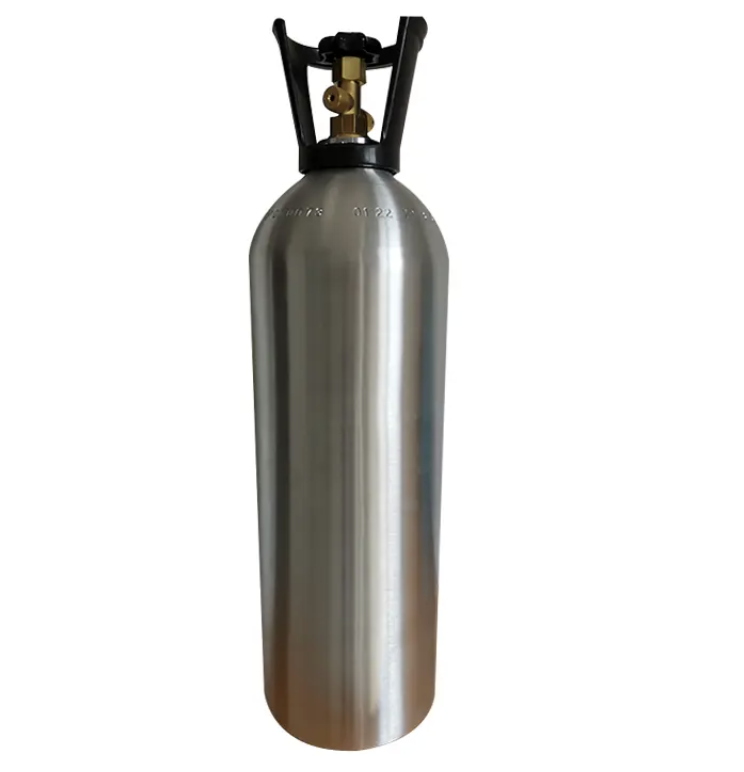
An oxygen cylinder is a pressurized container designed to store and deliver oxygen for medical or emergency use. They allow patients, caregivers, and healthcare providers to access oxygen safely when needed. Unlike industrial oxygen, which is used for welding or chemical processes, medical oxygen is purified, regulated, and safe to breathe.
Oxygen cylinders come in various types and sizes. Portable cylinders, often found in emergency bags or trolleys, are lightweight and easy to carry. Large stationary cylinders are used in homes for long-term oxygen therapy. Sizes are usually measured in litres or PSI, and the duration of oxygen supply depends on the flow rate set for the patient.
Oxygen can be delivered in several ways:
Cylinders: Pressurized tanks for home or portable use.
Concentrators: Machines that extract oxygen from ambient air.
Liquid oxygen tanks: Store large volumes in liquid form for extended use.
| Cylinder Type | Typical Use | Capacity | Notes |
|---|---|---|---|
| Portable CD cylinder | Emergency bag, trolley | ~460 L | Easy to carry, short duration |
| Large stationary cylinder | Home oxygen therapy | 2000–3000 L | Requires stand, long-term use |
| Portable D or E cylinder | Short trips, travel | 150–300 L | Lightweight, refillable |
Portable cylinders are ideal for emergencies or travel. Home cylinders stay in one location, often on a stand. Knowing the size and expected duration helps plan therapy and backup supply.
Every oxygen cylinder includes several critical parts:
Cylinder body: The main container holding oxygen.
Valve: Controls flow in or out.
Regulator: Reduces pressure to a safe level for breathing.
Pressure gauge: Shows how full the cylinder is.
Yoke & nipple adaptor: Connects cylinder to tubing or mask.
Common accessories include:
Nasal cannula for low-flow oxygen.
Oxygen masks for high-flow therapy.
Tubing to link cylinder to delivery devices.
Oxygen helps people breathe, but it can be dangerous if handled incorrectly. It makes fires start faster and can even cause explosions. Small sparks, heat, or flammable materials can become major hazards around oxygen cylinders.
Even common items like hair sprays, oil-based lotions, or petroleum products can ignite easily near oxygen. We need to respect the gas and always follow safety rules.
General safety rules include:
Never smoke near oxygen.
Keep cylinders at least 10 feet from heat sources, such as stoves, radiators, and heaters.
Use cylinders in well-ventilated areas to avoid oxygen buildup.
Avoid sparks from appliances, electronics, or open flames.
Proper storage reduces accidents. Here’s what to remember:
Store upright in approved stands or holders.
Extra cylinders should lie down and be blocked to prevent rolling.
Ensure storage areas are ventilated—oxygen can leak slowly.
Keep cylinders away from oil, petroleum-based products, aerosols, and flammable liquids.
Mark storage areas clearly as “Oxygen Storage” to alert others.
| Storage Tip | Reason |
|---|---|
| Upright cylinders | Prevents valve damage and leaks |
| Lying-down extras | Blocks rolling, avoids accidents |
| Ventilated space | Prevents oxygen buildup in air |
| Away from flammables | Reduces fire risk |
Using oxygen at home requires extra care. We recommend:
Post “Oxygen in Use” signs for visitors.
Keep away from open flames or sparks at all times.
Arrange tubing to prevent tripping hazards.
Always turn off the cylinder when not in use.
Regularly check the pressure gauge to avoid running low unexpectedly.
Changing an oxygen cylinder may seem tricky, but if we follow steps carefully, it’s simple and safe. We just need to turn off the old cylinder, replace it, and turn on the new one correctly.
Before removing the cylinder, we must make sure it’s fully closed and depressurized:
Close the valve clockwise until fully shut.
Bleed any leftover pressure through the regulator by slowly opening the flow knob.
Set the flow regulator knob to zero to ensure no oxygen escapes.
Tip: Always check the pressure gauge after bleeding—it should read zero.
Now we can remove the empty cylinder and attach a new one:
Loosen the T-handle and carefully remove the regulator from the old cylinder.
Take the new cylinder and align the regulator pegs with the valve holes.
Slide the regulator onto the cylinder and tighten the T-handle securely.
Check for possible leaks by listening or feeling around the connection for hissing.
| Step | Key Points |
|---|---|
| Remove old cylinder | Loosen T-handle, keep regulator upright |
| Align new cylinder | Pegs must fit securely in valve holes |
| Tighten and check | T-handle tight, no leaks present |
Once the new cylinder is in place, we can start oxygen flow safely:
Turn the cylinder valve counterclockwise to open it.
Adjust the flow regulator knob to the rate prescribed by your doctor.
Reattach tubing and mask or nasal cannula.
Confirm oxygen is flowing correctly—a simple bubble test in water works for cannulas.
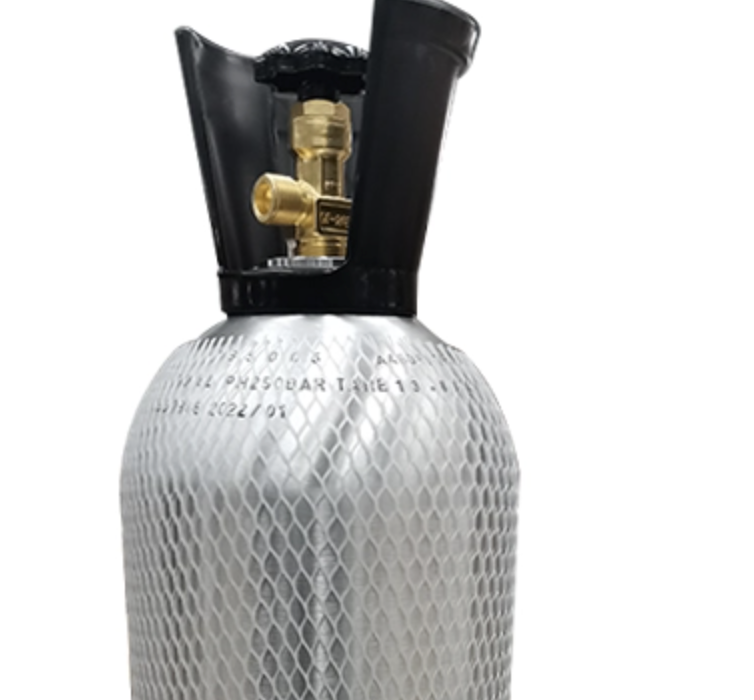
Keeping track of your oxygen cylinder is essential to avoid running out unexpectedly. We need to check the pressure, know when to replace it, and have backups ready.
Look at the pressure gauge each time before use.
Make sure it stays in the green zone or above your minimum level.
A dropping needle means oxygen is being used, and we should plan for a refill soon.
Knowing when to swap cylinders prevents emergencies:
| Pressure Level | Action |
|---|---|
| Above 500 psi | Cylinder still has plenty of oxygen |
| 200–500 psi | Prepare to replace soon |
| Below 200 psi | Replace immediately |
Replace cylinders before reaching 200 psi.
Waiting too long may leave oxygen supply insufficient in emergencies.
Always store at least one full cylinder in a safe location.
Backups help during power outages, travel, or unexpected high usage.
Make sure backups are stored upright and ventilated, ready for immediate use.
Tip: Label backup cylinders clearly, so anyone in the household can use them quickly.
Using an oxygen cylinder at home may feel intimidating at first, but it’s straightforward if we follow clear steps. The key is to check the cylinder, adjust flow properly, and use tubing and masks correctly.
Open the cylinder valve by turning counterclockwise.
Check the pressure gauge—a full cylinder reads about 2000 psi.
Set the flow rate according to your doctor’s prescription.
Attach tubing to the regulator, then connect the nasal cannula or mask.
Place nasal prongs in your nostrils with the curve facing down for comfort.
Test oxygen flow if unsure; a small bubble test in water works for cannulas.
Different masks require different flow rates and duration. Here’s a quick reference:
| Mask Type | Flow Rate | Approx. Cylinder Duration (460 L) |
|---|---|---|
| High concentration non-rebreathe | 15 L/min | 30 minutes |
| Nebuliser mask | 6–10 L/min | At 8 L/min → 55 minutes |
| Bag-valve-mask (BVM) | 15 L/min | 30 minutes |
High concentration masks provide maximum oxygen for emergency needs.
Nebuliser masks are used for medication delivery and moderate oxygen therapy.
Bag-valve-masks are often used in urgent situations requiring manual ventilation.
A: The duration depends on cylinder size and flow rate. For example, a 460 L portable cylinder at 8 L/min lasts about 55 minutes, while at 15 L/min, it lasts around 30 minutes.
A: Yes, if prescribed by your doctor. Ensure tubing is untangled, cannula fits comfortably, and the cylinder is stable.
A: Turn it off immediately, ventilate the room, leave if necessary, and contact your supplier or emergency services.
A: Yes, secure it properly, ventilate the area, and follow airline or vehicle regulations for oxygen transport.
Using an oxygen cylinder doesn’t have to feel overwhelming. By learning to check pressure gauges, change cylinders safely, and use the right masks, you can ensure oxygen therapy remains smooth and effective every day.
For reliable high-quality oxygen cylinders and accessories, Shaoxing Ruiying High Pressure Vessel Co., Ltd. provides trusted solutions for home and emergency use. Keeping a well-maintained supply, following safety rules, and having backups ensures you or your loved ones are always prepared, giving peace of mind and uninterrupted oxygen support.


