

Views: 0 Author: Site Editor Publish Time: 2026-10-29 Origin: Site


Choosing between a carbon fiber cylinder and a steel cylinder depends on more than material alone. Buyers should consider cylinder weight, working pressure, gas capacity, service requirements, certification, and total cost.
Carbon fiber composite cylinders can reduce weight in applications where portability matters. Steel cylinders remain an option for many industrial gas storage and supply requirements. The right choice depends on the specific cylinder design and its intended use.
Table of Contents
Comparison Factor | Carbon Fiber Composite Cylinder | Steel Cylinder |
|---|---|---|
Weight | Often offers a weight advantage for comparable applications | Generally heavier because of its metal construction |
Portability | Useful when reducing carried or transported weight is important | Suitable when weight is less critical |
Working Pressure | Depends on the cylinder model, design, and approval | Depends on the cylinder model, design, and approval |
Gas Capacity | Must be checked against the model's rated water capacity and gas requirements | Must be checked against the model's rated water capacity and gas requirements |
Durability | Requires protection from damage to the composite structure | Requires attention to corrosion, surface damage, and other condition issues |
Inspection | Must follow the applicable inspection rules and manufacturer instructions | Must follow the applicable inspection rules and manufacturer instructions |
Cost | May involve a higher initial purchase cost, depending on the model | May offer a different purchase and lifecycle cost profile |
Typical Selection Priority | Weight reduction and portability | Application requirements, established handling practices, and cost considerations |
These are general comparisons, not universal rules. Actual performance depends on cylinder construction, size, pressure rating, fittings, approval requirements, and service conditions.
Weight is one of the main reasons buyers consider carbon fiber composite cylinders. Their composite structure can reduce cylinder weight compared with certain metal-cylinder designs.
Lower cylinder weight can make handling and transportation easier. It may also help reduce the weight carried by workers or equipment in applications where mobility is important.
Steel cylinders have a metal body and are generally heavier than comparable lightweight composite designs. However, the actual weight difference varies by cylinder size, working pressure, construction, and accessories.

For a meaningful comparison, buyers should compare cylinders with suitable gas capacity and the required working pressure. They should also consider the complete assembly, including the valve and any protective accessories.
Explore Ruiying's Type III carbon fiber cylinders for outdoor sports to review product-specific specifications.
Working pressure is a critical selection factor for both carbon fiber composite and steel cylinders. Neither material automatically guarantees a higher pressure rating.
The permitted working pressure depends on the cylinder's design, materials, manufacturing process, testing, and applicable approval. Buyers should always check the rating marked on the specific cylinder and confirm that it meets the system's requirements.
Gas capacity is also important. Water capacity alone does not determine how much usable gas a cylinder will supply in every application. Gas type, filling pressure, temperature, and operating conditions can affect the available supply.
When comparing products, confirm the following details:
Rated working pressure
Test pressure, where applicable
Water capacity and required gas supply
Gas compatibility and valve connection
Applicable certification and destination-market requirements
Do not select a cylinder based only on a general material description. Confirm the technical data for the exact model.
The service life of a gas cylinder depends on its design, manufacturing requirements, operating conditions, inspection results, and applicable regulations. There is no single service-life limit or inspection interval that applies to every carbon fiber composite or steel cylinder.
Composite cylinders require attention to damage that may affect the outer composite structure. Steel cylinders require inspection for issues such as corrosion, dents, and other damage. Both types must be handled and inspected according to their applicable requirements.

Before purchasing, ask the manufacturer or supplier to confirm:
The cylinder's applicable service-life requirements
Inspection and retesting intervals
Approved inspection procedures
Handling, storage, and maintenance instructions
The documentation required for the destination market
Never use a cylinder that appears damaged or has an uncertain inspection status. Remove it from service and arrange an assessment by qualified personnel.
The best cylinder type depends on the application, required gas supply, handling conditions, and applicable regulations.
Carbon fiber composite cylinders may suit applications where reducing weight is an important design goal. Depending on the specific model and its approval, potential applications can include portable compressed-air systems and selected breathing-air or industrial gas systems.
For example, breathing apparatus users may benefit from a lighter cylinder assembly. However, the complete system must meet the relevant safety, performance, and certification requirements.
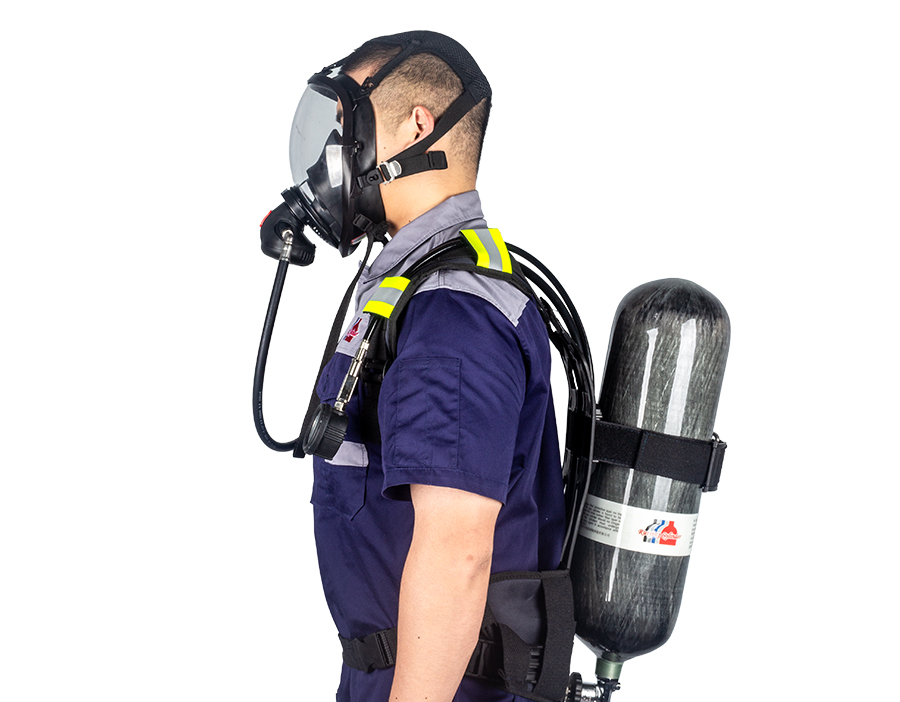
Ruiying provides product information for outdoor sports cylinders and information about its drone and hydrogen cylinder segment. Suitability must be confirmed for each intended use.
Steel cylinders are used in many industrial gas storage and supply applications. Depending on the specific design and approval, they may be considered for welding, manufacturing, gas distribution, and other industrial requirements.
Steel may be suitable when the application places less emphasis on minimizing cylinder weight. Buyers should still evaluate corrosion protection, handling requirements, pressure rating, and maintenance needs.
Ruiying's gas cylinder product range provides further information about its steel and aluminum cylinder offerings.
Before choosing a carbon fiber composite or steel cylinder, evaluate the complete operating requirements rather than comparing material alone.
Identify the gas to be stored, the equipment it will supply, and the operating environment. Confirm gas compatibility with the cylinder and valve materials.
Specify the required working pressure and gas capacity. Check the model's technical documentation instead of relying on general statements about cylinder materials.
Consider whether the cylinder will be carried by workers, installed on equipment, transported frequently, or used in a fixed location. Weight can be a major factor in portable applications.
Confirm that the cylinder's approval, markings, and supporting documents meet the requirements of the country and application where it will be used. Standards and approvals are not interchangeable across all markets.
Consider purchase price, transportation, inspection, maintenance, expected service requirements, and replacement needs. The lowest initial price may not represent the lowest total cost.
For customized projects, Ruiying offers information about its OEM high-pressure cylinder solutions. Buyers can discuss dimensions, pressure requirements, valve configurations, branding, and other project specifications with the manufacturer.
Carbon fiber composite and steel cylinders serve different requirements. Carbon fiber composite cylinders can offer weight advantages where portability is important, while steel cylinders remain a practical option for many industrial gas applications.
The right choice depends on the required pressure, gas capacity, operating environment, applicable certification, inspection requirements, and total cost. Compare the specifications of the exact models before making a purchasing decision.
For project-specific requirements, contact Ruiying to discuss the intended gas, working pressure, capacity, destination market, and application. These details help the manufacturer identify suitable options.
Carbon fiber composite cylinders can be lighter than comparable metal-cylinder designs. The actual difference depends on the cylinder model, capacity, pressure rating, construction, and accessories.
Not necessarily. The permitted working pressure depends on the design and approval of each cylinder. Always verify the rated working pressure of the exact model.
Service life varies by cylinder type, design, operating conditions, inspection results, and applicable requirements. Check the cylinder markings and the manufacturer's instructions.
Some models are designed for specific industrial or portable gas applications. Buyers must confirm gas compatibility, pressure rating, certification, and intended-use approval before selection.
Provide the gas type, required working pressure, capacity, dimensions if known, valve requirements, intended application, destination market, and estimated order quantity. This helps the manufacturer assess suitable options.

