Views: 0 Author: Site Editor Publish Time: 2026-03-30 Origin: Site


Have you ever wondered how patients receive essential oxygen therapy? Understanding the differences between a medical oxygen cylinder and an oxygen concentrator is crucial for effective treatment. In this article, we’ll explore what each device is, their importance, and how they can impact patients’ lives.
Oxygen concentrators operate by drawing in ambient air, filtering out nitrogen, and delivering concentrated oxygen to the patient. The process begins when the device pulls in air from the surrounding environment. This air contains approximately 78% nitrogen and 21% oxygen, along with trace amounts of other gases.
Once the air is inside the concentrator, it passes through a series of filters and zeolite granules. These granules selectively adsorb nitrogen, allowing oxygen to pass through. The remaining concentrated oxygen is then delivered to the user through a nasal cannula or mask. This mechanism ensures a continuous supply of oxygen as long as the device is powered.
There are primarily two types of oxygen concentrators: continuous flow and pulse dose.
Continuous Flow Concentrators: These devices deliver a steady stream of oxygen at a constant flow rate. They are ideal for patients who require a consistent supply of oxygen throughout the day and night.
Pulse Dose Concentrators: These devices release oxygen only during inhalation. They detect when the patient breathes in and deliver a bolus of oxygen at that moment. This method optimizes oxygen usage and conserves energy, making it suitable for patients with lower oxygen needs.
Both types come in various sizes and designs, catering to different patient requirements and lifestyles. Portable models are available for those who need mobility, while larger stationary units are designed for home use.
Oxygen concentrators offer several advantages over traditional oxygen cylinders:
Unlimited Supply: As long as they have power, concentrators provide a continuous flow of oxygen without the need for refills.
Cost-Effective: Although the initial investment is higher, concentrators are generally more economical in the long run. Users save on refilling costs associated with cylinders.
User-Friendly: They are straightforward to operate and require minimal maintenance. Regular cleaning of filters is typically the only upkeep needed.
Safety: Concentrators operate at lower pressures than cylinders, reducing the risk of accidents. They also feature alarms that alert users to low oxygen levels or power issues.
Portability: Many models are lightweight and designed for easy transport, allowing users to maintain their daily activities without being tethered to a stationary oxygen source.
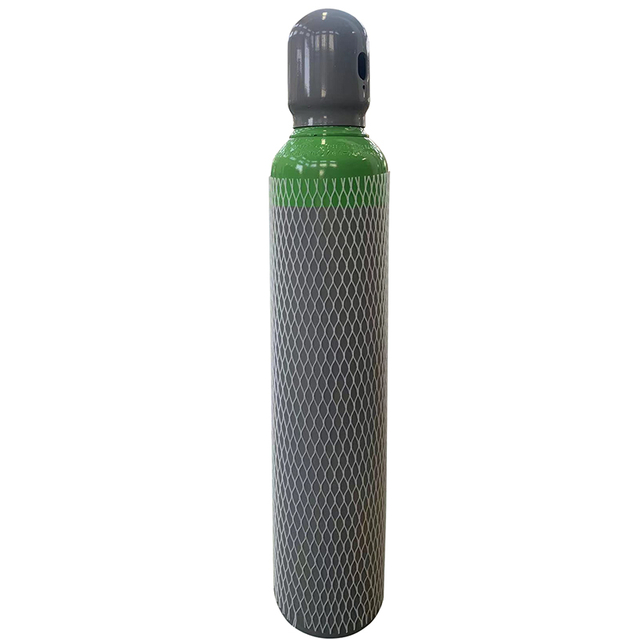
When choosing between a medical oxygen cylinder and an oxygen concentrator, the cost is a crucial factor. Understanding both the initial purchase price and ongoing expenses can help you make an informed decision.
Initial Costs
The upfront cost of an oxygen cylinder is generally lower than that of an oxygen concentrator. For example, smaller cylinders can range from $70 to $100, while larger ones can cost between $600 to $700. In contrast, oxygen concentrators typically start at around $1,500 and can go up to $3,000 depending on the model and features. While the initial investment for a concentrator is higher, it’s essential to consider the long-term benefits.
Ongoing Expenses
Oxygen cylinders require regular refills, which can become expensive over time. The cost of refilling a cylinder can vary based on local pricing and usage frequency. For someone who needs oxygen therapy regularly, these costs can add up quickly. On the other hand, once you own an oxygen concentrator, the primary ongoing cost is electricity. There may be occasional maintenance costs, such as filter replacements, but these are generally lower than the continual refilling expenses associated with cylinders.
Portability is another significant factor when comparing these two oxygen delivery systems.
Oxygen Cylinders
While oxygen cylinders come in various sizes, they can be heavy and cumbersome, especially the larger models. Though some are equipped with wheels for easier transport, moving them can still be a challenge. This can limit their usability for patients who are active or need to travel frequently.
Oxygen Concentrators
Oxygen concentrators are typically lighter and designed for portability. Many models are compact and battery-operated, making them easier to carry around. Some are even FAA-approved for air travel, allowing patients to maintain their oxygen therapy while flying. This flexibility is a significant advantage for those who lead an active lifestyle or wish to travel.
The reliance on power is a critical consideration when choosing between these devices.
Oxygen Cylinders
One of the advantages of oxygen cylinders is that they do not require electricity to function. This makes them a reliable option in situations where power outages are common. They can be used anywhere, making them ideal for emergency situations or outdoor activities.
Oxygen Concentrators
Conversely, oxygen concentrators depend on electrical power to operate. While most households have reliable electricity, those in areas prone to outages may find this a limitation. However, many portable concentrators come with battery backup options, ensuring that users still have access to oxygen even during power failures.
Using oxygen cylinders involves specific safety protocols to prevent accidents and ensure safe operation. Here are essential guidelines to follow:
Proper Storage: Store cylinders upright in a cool, dry place, away from heat sources and flammable materials. Use brackets or chains to secure them and prevent tipping.
Avoid Oils and Grease: Oxygen can react violently with oils and greases. Always keep these substances away from the cylinder and its components.
Open Valves Slowly: When using an oxygen cylinder, open the valve slowly to prevent sudden pressure changes that could lead to accidents.
Regular Inspections: Check cylinders regularly for leaks, dents, or corrosion. If you notice any damage, do not use the cylinder and report it to your supplier.
Educate Users: Ensure that everyone who will handle the cylinder knows how to use it safely. Provide clear instructions and emergency procedures.
Oxygen concentrators also require adherence to safety protocols to ensure effective and safe use:
Maintain Ventilation: Place the concentrator in a well-ventilated area. This helps prevent overheating and ensures efficient operation.
Regular Maintenance: Clean or replace filters as recommended by the manufacturer. Blocked filters can reduce oxygen output and increase the risk of malfunction.
Monitor Alarms: Most concentrators come equipped with alarms for low oxygen levels or power issues. Pay attention to these alerts and respond promptly.
Avoid Obstacles: Keep the area around the concentrator clear of obstacles to prevent tripping hazards. Ensure that the power cord is not damaged or frayed.
Educate Users: Just like with cylinders, educate all users about the concentrator's operation and safety features. This includes recognizing alarm signals.
Both oxygen cylinders and concentrators come with inherent risks, but understanding these can help mitigate them:
Fire Hazard: Oxygen supports combustion. Keep oxygen devices away from open flames, sparks, or heat sources. Use "No Smoking" signs in areas where oxygen is used.
Pressure Risks: High-pressure cylinders can become dangerous if mishandled. Always handle cylinders carefully and use protective caps when they are not in use.
Electrical Hazards: Oxygen concentrators depend on electricity. Ensure that they are plugged into a properly grounded outlet. Avoid using extension cords that can overheat.
Mechanical Failures: Regular maintenance can help prevent mechanical failures. Schedule routine checks with qualified technicians for both cylinders and concentrators.
User Error: The most common risk comes from improper use. Always follow manufacturer instructions and consult healthcare professionals for guidance.
By adhering to these safety protocols and being aware of potential risks, users can significantly reduce the chances of accidents and ensure effective oxygen therapy.
Choosing between a medical oxygen cylinder and an oxygen concentrator often depends on the duration of oxygen therapy required. Medical oxygen cylinders are ideal for short-term use. They deliver immediate oxygen supply without the need for electricity. This feature makes them suitable for emergency situations or when a patient requires oxygen for a limited time.
Conversely, oxygen concentrators are designed for long-term use. They provide a continuous flow of oxygen as long as they are powered. This makes them a better option for patients with chronic respiratory conditions who need consistent oxygen therapy throughout the day and night. For example, patients with COPD or severe asthma may benefit more from a concentrator, as it can supply oxygen for extended periods without the hassle of refilling.
In emergencies, having immediate access to oxygen can be critical. Medical oxygen cylinders are advantageous in such scenarios. They can be transported easily to different locations, providing instant oxygen delivery. This is especially important in situations where a patient experiences sudden respiratory distress or requires supplemental oxygen during transport to a healthcare facility.
Oxygen concentrators, while effective for ongoing therapy, may not be the best choice in emergencies. They rely on electricity, which may not be available during power outages or in remote areas. However, some portable concentrators come with battery backup options, offering a degree of flexibility. Still, for immediate needs during emergencies, cylinders remain the more reliable option.
Ultimately, the choice between an oxygen cylinder and a concentrator should be tailored to individual patient needs. Factors such as the patient's medical condition, lifestyle, and oxygen requirements play a significant role in this decision.
For patients who need oxygen sporadically or during specific activities, a medical oxygen cylinder may be more appropriate. For instance, someone who requires oxygen only while exercising or during sleep might find a cylinder more convenient.
On the other hand, patients who need consistent oxygen support throughout the day, such as those with chronic lung diseases, are likely to benefit from an oxygen concentrator. These devices are user-friendly, require minimal maintenance, and can be adjusted to deliver the necessary oxygen flow.
Consulting healthcare professionals is crucial in making this decision. They can assess the patient’s specific needs and recommend the most suitable device based on their medical history and lifestyle.
When considering oxygen therapy, understanding the initial costs of medical oxygen cylinders and oxygen concentrators is crucial. Medical oxygen cylinders typically have a lower upfront cost. For instance, smaller cylinders can range from $70 to $100, while larger cylinders may cost between $600 and $700. This affordability makes them an attractive option for those needing immediate oxygen supply without a significant initial investment.
On the other hand, oxygen concentrators generally require a more substantial upfront investment. Prices can start at around $1,500 and can go up to $3,000 or more, depending on the model and features. This higher cost reflects the advanced technology used in concentrators, which filter and concentrate oxygen from ambient air, providing a continuous supply as long as they are powered.
While the initial costs of oxygen cylinders are lower, it’s essential to consider long-term financial implications. Oxygen cylinders need regular refilling, which can become costly over time. The price of refills varies by location and usage frequency. For patients requiring continuous oxygen therapy, these recurring costs can add up significantly.
In contrast, once you purchase an oxygen concentrator, the ongoing expenses are mainly related to electricity costs. Although there may be occasional maintenance costs, such as filter replacements, these expenses are generally lower than the refill costs associated with cylinders. Therefore, for individuals needing long-term oxygen therapy, concentrators can prove to be more economical in the long run.
Insurance coverage varies for both devices, and it’s important to check with your provider. Some insurance plans may cover the cost of oxygen concentrators, especially if they are deemed medically necessary. However, the approval process can vary, and patients may need to provide documentation from healthcare professionals to justify the need for oxygen therapy.
For those who prefer not to purchase outright, renting is a viable alternative. Many medical supply companies offer rental options for both oxygen cylinders and concentrators. Renting can be particularly beneficial for patients who need oxygen therapy temporarily or want to avoid the high upfront costs. Rental agreements often include maintenance and support, providing peace of mind for users.
Medical oxygen cylinders and oxygen concentrators serve different needs in oxygen therapy. Cylinders are portable and ideal for short-term use, while concentrators provide a continuous supply, making them suitable for long-term therapy. Patients should consider their lifestyle and oxygen requirements when choosing between the two. Consulting healthcare professionals is crucial for personalized recommendations. RUIYING offers high-quality oxygen products designed to meet diverse patient needs, ensuring reliable therapy and enhanced quality of life.
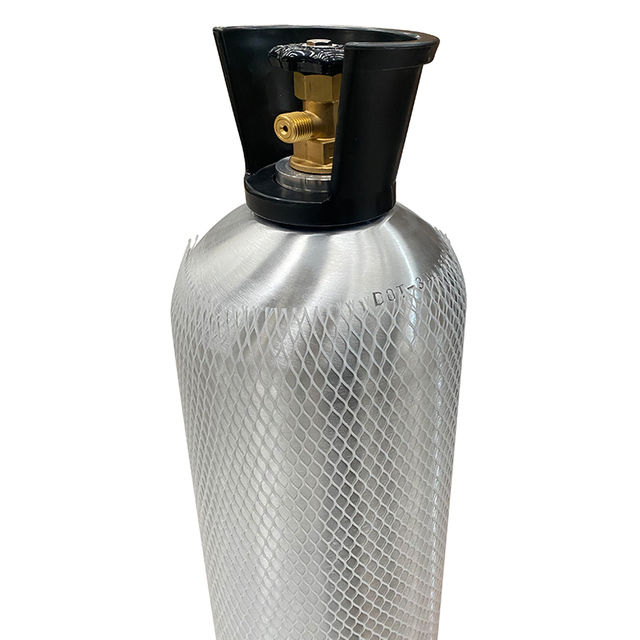
A: A medical oxygen cylinder is a robust metal tank designed to store oxygen under high pressure for therapeutic use.
A: A medical oxygen cylinder delivers oxygen through a regulator, which controls the flow and reduces pressure for safe patient use.
A: A medical oxygen cylinder is ideal for short-term use and emergency situations due to its portability and immediate oxygen supply.
A: Medical oxygen cylinders typically range from $70 to $700, depending on size, with additional costs for refills.
A: Medical oxygen cylinders provide immediate access to oxygen without reliance on electricity, making them suitable for various situations.