

Views: 0 Author: Site Editor Publish Time: 2026-03-30 Origin: Site


Did you know that the choice of material for medical oxygen cylinders can impact patient care? Understanding the differences between steel and aluminum cylinders is crucial for healthcare providers. In this article, we'll explore the definitions, importance, and material comparisons of medical oxygen cylinders to help you make informed decisions.
When it comes to medical oxygen cylinders, the choice of material plays a significant role in their performance and suitability for specific applications. Steel and aluminum are the two primary materials used, each offering unique advantages and disadvantages. Here, we will explore the differences in weight and portability, corrosion resistance, and durability between steel and aluminum medical oxygen cylinders.
One of the most noticeable differences between steel and aluminum cylinders is their weight. Aluminum cylinders are approximately 40% lighter than their steel counterparts. This significant weight difference makes aluminum cylinders much easier to transport, handle, and maneuver, particularly in emergency situations or for home healthcare providers. For patients who require mobility, lightweight aluminum cylinders provide a more convenient option, allowing them to maintain an active lifestyle without being burdened by heavy equipment.
In contrast, steel cylinders, while robust, can be cumbersome and difficult to transport. Their weight can pose challenges for patients needing to move between locations or for caregivers who must transport the cylinders frequently. For instance, a steel cylinder can weigh significantly more when filled, making it less practical for everyday use in mobile settings.
Corrosion resistance is another critical factor to consider when comparing steel and aluminum cylinders. Steel is prone to rust and corrosion, especially when exposed to moisture. This can lead to structural weaknesses and potential failure of the cylinder over time. Additionally, if moisture enters a steel cylinder, it can cause internal corrosion, which may compromise the quality of the oxygen stored inside, potentially leading to contamination.
Aluminum, on the other hand, exhibits excellent corrosion resistance. When exposed to oxygen, aluminum forms a thin oxide layer that protects it from further oxidation and corrosion. This characteristic is particularly advantageous in medical settings, where maintaining the integrity of stored oxygen is crucial. Studies, such as those conducted by the University of Rhode Island, have shown that aluminum cylinders perform better in retaining air quality under similar conditions of humidity compared to steel cylinders.
Durability and lifespan are essential considerations for any medical equipment. Steel cylinders are known for their strength and ability to withstand high pressures, making them suitable for stationary use in hospitals. However, their susceptibility to corrosion can shorten their lifespan significantly, especially if not properly maintained.
Aluminum cylinders, while slightly less robust than steel in terms of pressure resistance, tend to have a longer lifespan due to their corrosion-resistant properties. They are less likely to fail due to internal or external corrosion, making them a reliable choice for medical applications. The lightweight nature of aluminum also means that they are less likely to sustain damage from drops or impacts during transport.
In summary, when comparing steel and aluminum medical oxygen cylinders, aluminum emerges as the more favorable option in many scenarios. Its lightweight nature enhances portability, while its superior corrosion resistance and durability ensure that the oxygen remains uncontaminated and the cylinder lasts longer.
Tip: Always consider the specific needs of patients and healthcare settings when choosing between steel and aluminum cylinders to ensure optimal performance and safety.
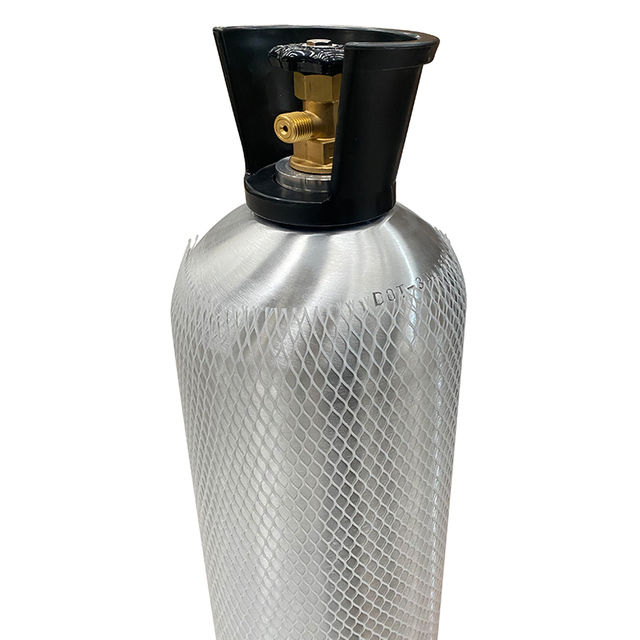
Medical oxygen cylinders are essential tools in healthcare, providing a reliable source of oxygen for patients in various settings. Their applications range from hospitals and emergency wards to home healthcare and surgical procedures. Understanding these applications helps healthcare providers choose the right cylinder for their specific needs.
In hospitals, medical oxygen cylinders are vital for patient care. They supply oxygen during critical situations, such as respiratory distress, cardiac arrest, or other emergencies. Emergency wards often use portable aluminum cylinders due to their lightweight nature. This portability allows healthcare professionals to quickly move them to patients in need, ensuring immediate access to oxygen.
Steel cylinders, while heavier, are also used in stationary setups. They store larger volumes of oxygen for continuous supply in intensive care units (ICUs) and operating rooms. The durability of steel cylinders makes them suitable for these environments, where the demand for oxygen can be high.
Home healthcare has become increasingly important, especially for patients with chronic respiratory conditions. Many patients require supplemental oxygen therapy at home, making the choice of cylinder crucial. Aluminum cylinders are preferred in these settings due to their lightweight and portable design. Patients can easily handle them, enabling greater mobility and independence.
These cylinders can come in various sizes, allowing healthcare providers to tailor oxygen delivery to individual patient needs. Smaller aluminum cylinders are perfect for patients who need oxygen during daily activities, while larger ones can support patients requiring a more substantial oxygen supply.
In surgical settings, the use of medical oxygen cylinders is critical for anesthesia. Anesthesiologists rely on high-quality oxygen to ensure patient safety and comfort during procedures. Aluminum cylinders are favored in these situations due to their corrosion resistance and non-magnetic properties, making them suitable for use in MRI rooms and operating theaters.
Oxygen stored in aluminum cylinders maintains its purity, reducing the risk of contamination that can occur with steel cylinders. This is particularly important in anesthesia, where any impurities can affect patient outcomes. The lightweight nature of aluminum cylinders also facilitates their transport and use during surgeries, allowing for quick adjustments as needed.
In summary, medical oxygen cylinders play a crucial role in various healthcare applications. Their use in hospitals, home healthcare settings, and surgical procedures highlights the importance of selecting the right cylinder type based on the specific requirements of patients and healthcare providers.
Tip: Always assess the specific needs of patients when selecting a medical oxygen cylinder to ensure optimal performance and safety in diverse healthcare environments.
Selecting the right medical oxygen cylinder is crucial for effective patient care. Factors like weight, capacity, portability, and patient needs play significant roles in this decision. Understanding these aspects helps healthcare providers ensure optimal oxygen therapy.
Weight is a primary consideration when choosing between steel and aluminum cylinders. Aluminum cylinders are around 40% lighter than steel cylinders, making them easier to transport and handle. This weight difference is particularly important in emergency situations or for home healthcare providers who need to move cylinders frequently. For patients requiring mobility, lightweight aluminum cylinders enable them to maintain an active lifestyle without the burden of heavy equipment.
Capacity is another essential factor. Steel cylinders typically hold larger volumes of oxygen, making them suitable for stationary use in hospitals and intensive care units. However, their size and weight can be cumbersome for patients needing portable solutions. Aluminum cylinders come in various sizes, providing flexibility for different patient needs. Smaller aluminum cylinders are ideal for patients who need oxygen during daily activities, while larger ones can accommodate those requiring more substantial oxygen supplies.
Portability is closely linked to weight and capacity. For patients who need to move around, aluminum cylinders offer a practical solution. They can easily be carried or wheeled to different locations, ensuring patients have access to oxygen when needed. In contrast, steel cylinders, while durable, may restrict mobility due to their heavier weight. This limitation can affect a patient’s quality of life, making it essential to choose a cylinder that aligns with their lifestyle.
Understanding the specific oxygen needs of patients is vital. Healthcare providers must evaluate the patient's flow rate requirements and whether they need continuous or intermittent oxygen. High-flow needs may necessitate larger steel cylinders, while intermittent needs are often met with smaller, portable aluminum cylinders.
In home healthcare settings, patients may require cylinders that allow for mobility. Lightweight aluminum cylinders enable them to engage in daily activities without being tethered to stationary equipment. For patients with chronic respiratory conditions, having the right cylinder type can enhance their independence and overall well-being.
When choosing between steel and aluminum cylinders, consider the following guidelines:
Patient Mobility: If the patient requires mobility, prioritize aluminum cylinders for their lightweight design.
Oxygen Demand: Assess the patient's oxygen flow rate needs. High-demand patients may benefit from larger steel cylinders, while those with lower requirements may find smaller aluminum cylinders sufficient.
Usage Environment: Consider where the cylinder will primarily be used. For home settings or emergency situations, aluminum cylinders are often the better choice due to their portability.
Durability and Maintenance: Steel cylinders are robust but require more maintenance to prevent corrosion. Aluminum cylinders, being more resistant to corrosion, may offer longer-lasting performance with less upkeep.
By carefully considering these factors, healthcare providers can make informed decisions that enhance patient care and safety.
When it comes to medical oxygen cylinders, safety is paramount. Proper handling, adherence to regulatory standards, and awareness of risks associated with corrosion and contamination are essential to ensure safe usage. This section delves into these critical aspects, providing healthcare providers with the necessary information to maintain safety in medical environments.
To ensure the safety of medical oxygen cylinders, proper handling and storage practices must be followed. Here are some guidelines:
Secure Storage: Always store cylinders in an upright position, secured with straps or brackets to prevent tipping. This minimizes the risk of falls and potential injuries.
Temperature Control: Store cylinders in a cool, dry place away from direct sunlight and heat sources. High temperatures can increase the internal pressure of the gas, leading to risks of rupture or explosion.
Ventilation: Ensure good ventilation in storage areas. Accumulation of oxygen can create a fire hazard, so it's essential to maintain airflow.
Regular Inspections: Conduct routine checks for signs of damage, corrosion, or leaks. If any issues are detected, the cylinder should be removed from service immediately and inspected by a qualified technician.
Training: Staff handling oxygen cylinders should be trained on proper procedures, including how to respond in case of an emergency.
Regulatory standards play a crucial role in ensuring the safety and reliability of medical oxygen cylinders. In many countries, organizations like the U.S. Food and Drug Administration (FDA) and the Compressed Gas Association (CGA) set strict guidelines for the manufacturing, labeling, and maintenance of these cylinders. Key standards include:
Manufacturing Standards: Cylinders must be made from materials that can withstand high pressures and are resistant to corrosion. Compliance with these standards ensures that the cylinders are safe for medical use.
Labeling Requirements: Proper labeling is essential for identifying the contents of the cylinder. Labels must include information such as the type of gas, hazard warnings, and handling instructions.
Periodic Testing: Cylinders must undergo regular testing to ensure they meet safety standards. This includes hydrostatic testing to check for structural integrity and pressure resistance.
Corrosion and contamination are significant risks that can compromise the safety of medical oxygen cylinders. Steel cylinders, in particular, are susceptible to rust and corrosion, which can lead to several issues:
Structural Weakness: Corrosion can weaken the cylinder's structure, increasing the risk of failure under pressure.
Contamination of Oxygen: If moisture enters a steel cylinder, it can cause internal corrosion, potentially contaminating the oxygen stored inside. This contamination can pose serious risks to patient health.
Increased Maintenance Costs: Corroded cylinders require more frequent maintenance and replacement, leading to higher operational costs for healthcare facilities.
In contrast, aluminum cylinders offer superior corrosion resistance. They form a protective oxide layer when exposed to oxygen, preventing further corrosion. This characteristic makes aluminum cylinders a safer option for storing medical gases, ensuring the integrity of the oxygen supply.
This article compares aluminum and steel medical oxygen cylinders. Aluminum cylinders are lighter, more portable, and corrosion-resistant. Steel cylinders, while robust, are heavier and prone to rust. Healthcare providers should assess patient mobility and oxygen needs when selecting cylinders. Continuous education on proper handling and storage is vital for safety. RUIYING offers high-quality aluminum medical oxygen cylinders that enhance patient care and mobility, providing reliable and efficient oxygen delivery solutions for various healthcare settings.
A: A medical oxygen cylinder is a pressurized container used to store and deliver oxygen for patients requiring supplemental oxygen therapy in various healthcare settings.
A: When choosing between aluminum and steel medical oxygen cylinders, consider factors like weight, portability, and the specific oxygen needs of the patient to ensure optimal care.
A: Aluminum medical oxygen cylinders are preferred due to their lightweight nature, superior corrosion resistance, and longer lifespan, making them ideal for both home healthcare and emergency situations.
A: The cost of medical oxygen cylinders can vary based on material, size, and supplier. Generally, aluminum cylinders may be more expensive upfront but offer long-term savings due to lower maintenance needs.
A: To ensure safety, store medical oxygen cylinders upright, conduct regular inspections for damage or leaks, and follow proper handling and storage guidelines.


