

Views: 0 Author: Site Editor Publish Time: 2026-10-08 Origin: Site


Choosing between a PVC hose and a rubber hose depends on the fluid, working pressure, temperature, installation conditions, and budget. Both types are used for industrial fluid transfer, but their materials and construction make them suitable for different applications.
PVC hoses are often selected for lightweight handling and general-purpose transfer. Rubber hoses are available in many constructions for demanding industrial applications, including air, oil, water, chemicals, and abrasive materials.
This guide compares PVC hose vs rubber hose to help you identify the right specifications for your application.
Table of Contents
Feature | PVC Hose | Rubber Hose |
|---|---|---|
Main material | Polyvinyl chloride (PVC) | Natural or synthetic rubber compounds |
Reinforcement | May use polyester fiber or steel wire | May use textile, steel wire, or other reinforcement |
Weight and handling | Often lightweight and easy to handle | Varies by compound, diameter, and reinforcement |
Pressure capability | Depends on hose type and reinforcement | Depends on hose type, reinforcement, and design |
Temperature resistance | Depends on formulation and product rating | Depends on rubber compound and product construction |
Chemical compatibility | Must be checked for the specific fluid | Must be checked for the rubber compound and fluid |
Common uses | Irrigation, water transfer, air transfer, and general-purpose applications | Industrial air, oil, water, chemical, and other demanding transfer applications |
Cost | Often economical for general-purpose uses | May cost more depending on material and construction |
Neither material is the best choice for every application. Always compare the specifications of the actual hose models rather than relying on material names alone.
Rubber hoses use natural or synthetic rubber compounds. Common materials include NBR, EPDM, and SBR. Each compound has different properties and is selected according to the intended application.
A rubber hose may include an inner tube, textile or steel reinforcement, and an outer cover. The inner tube must be compatible with the conveyed medium, while the reinforcement helps the hose withstand its rated pressure. The cover protects against external wear and environmental exposure.
For example, NBR is commonly used in oil-resistant hose constructions, while EPDM is selected for applications where its resistance to heat, water, or certain chemicals is suitable. Compatibility must still be verified for the exact fluid and operating conditions.
Explore the industrial rubber hose range to compare hoses designed for different media and working environments.
PVC hoses are made from polyvinyl chloride. Depending on the design, they may be unreinforced or reinforced with polyester fiber or a steel wire helix.
PVC hose types include layflat hoses, steel wire hoses, clear hoses, air hoses, and fiber-reinforced hoses. Their construction affects flexibility, pressure performance, suction capability, and handling.
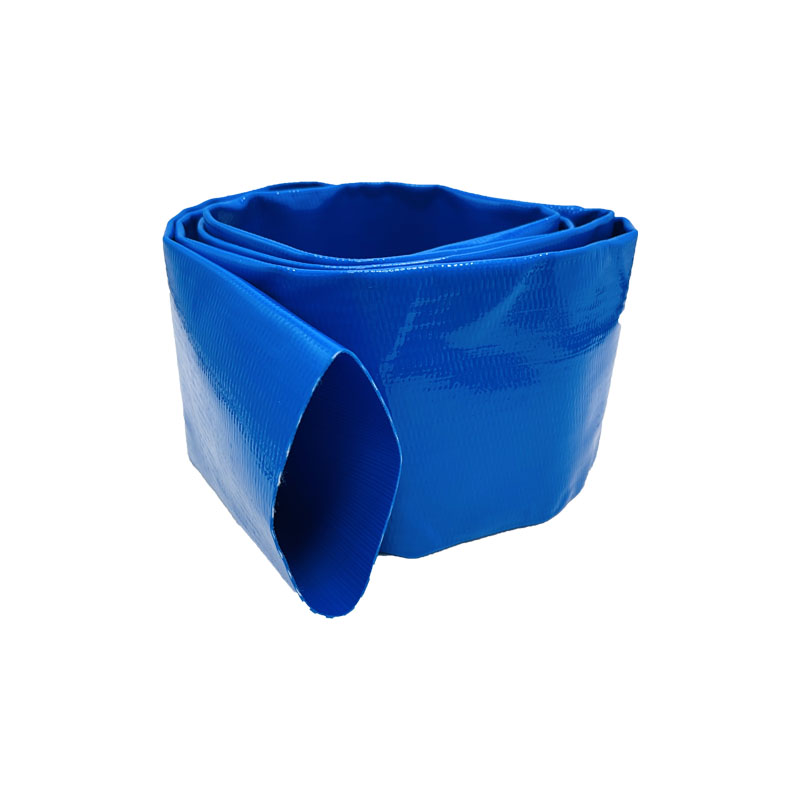
For irrigation and general water discharge, a PVC layflat hose may be suitable. For suction or applications requiring structural support, review the relevant reinforced PVC hose design in the PVC hose product range.
Working pressure varies with hose diameter, reinforcement, wall construction, and product design. A reinforced PVC hose may have a different pressure rating from a lightweight PVC hose. Rubber hoses also range from general-purpose products to specialized high-pressure designs.
Before selecting a hose, check:
Rated working pressure for the exact model and size
Whether the system experiences pressure surges
Required suction or vacuum rating, if applicable
Fitting and coupling pressure ratings
The manufacturer's operating and inspection instructions
Do not select a hose based only on its material or burst pressure. The rated working pressure must meet the system's operating requirements.
PVC and rubber hoses have different temperature capabilities, but no single range applies to every product.
PVC performance can change as temperatures rise or fall. Rubber performance depends on the compound, reinforcement, and hose construction. Some rubber hoses are designed for low-temperature or high-temperature service, while others are intended for more moderate conditions.
Check both the hose's specified temperature range and the temperature of the conveyed medium. Pressure and temperature can affect one another, so confirm whether the manufacturer's rating changes under your operating conditions.
Neither PVC nor rubber is universally resistant to all chemicals. Compatibility depends on the chemical concentration, temperature, exposure time, and hose construction.
NBR is often used for oil-related applications. EPDM is commonly selected for certain water, weather, and chemical environments. However, these general characteristics do not replace a compatibility check.
PVC may suit water and some compatible chemicals, but prolonged contact with certain fluids can affect the material. Before ordering, confirm that the inner tube is suitable for the exact medium.
For specialized industrial transfer, compare the specifications of the industrial hose range and request technical advice if compatibility is uncertain.
Hose durability depends on more than the base material. The outer cover, reinforcement, installation route, bend radius, and exposure conditions all affect service life.
For applications involving dragging, vibration, repeated bending, or external abrasion, compare the hose's cover material and recommended installation conditions. Avoid sharp bends, twisting, excessive tension, and contact with abrasive surfaces unless the hose is designed for them.
PVC hoses can be a practical choice when low weight, easy handling, and cost are important. Typical applications include:
Agricultural irrigation and water delivery
General water transfer and discharge
Selected air-transfer applications
Applications that benefit from transparent hose construction
General-purpose fluid transfer within the product's rated limits
The correct PVC hose depends on whether the system requires discharge, suction, pressure reinforcement, or a particular level of chemical compatibility.
Rubber hoses are available for a wide range of industrial duties, including applications that require specific oil resistance, abrasion resistance, flexibility, or temperature performance.
Common examples include:
Industrial compressed-air systems
Oil suction and discharge
Chemical suction and discharge using a compatible hose compound
Food transfer using a hose designed and approved for the intended food-contact application
Construction, mining, and other demanding industrial operations

For applications requiring rubber hoses, review the relevant industrial hose products. For food-contact service, verify the exact product's certification and suitability for the intended medium.
PVC hoses often offer a lower initial cost for general-purpose transfer. Rubber hoses may have a higher purchase price depending on their compound, reinforcement, and performance requirements.
However, purchase price alone does not determine long-term value. Consider the expected service life, installation requirements, inspection needs, replacement frequency, and the cost of downtime caused by a hose failure.
A lower-cost hose can be a suitable choice when its specifications meet the application. For demanding service, a hose designed for the actual pressure, temperature, and medium may provide better overall value.
Before ordering, confirm the following details:
Fluid or material: Identify the exact medium, including chemical concentration where relevant.
Working pressure: Confirm normal pressure, possible surges, and any suction or vacuum requirements.
Temperature: Check ambient temperature and the temperature of the conveyed medium.
Hose size: Confirm inside diameter, outside diameter where required, and total length.
Reinforcement: Choose a construction suitable for the pressure, suction, and handling conditions.
Installation: Check bend radius, fittings, movement, abrasion, and environmental exposure.
Compliance requirements: For food, drinking water, or other regulated applications, verify the required approvals for the exact product.
If you need help comparing specifications, visit GSD Rubber Technical Support or contact the team with your application details.
The choice between PVC hose and rubber hose depends on the actual operating conditions, not material alone. PVC hoses can be suitable for lightweight, general-purpose transfer, while rubber hoses are available for many specialized industrial applications.
Compare the working pressure, temperature range, fluid compatibility, reinforcement, and fitting requirements of each model before ordering. Matching the hose to the application helps support safe operation and reliable service life.
Explore the PVC hose range and industrial hose range, or contact GSD Rubber for help identifying a suitable product.
PVC hoses are often selected for lightweight, general-purpose transfer. Rubber hoses are available in different compounds and constructions for a wider range of specialized industrial applications. Actual performance depends on the product specification.
No. Working pressure depends on the hose design, reinforcement, size, and rated specification. Always verify the working pressure of the exact model.
Neither material is automatically suitable for every high-temperature application. Check the specified temperature range for the hose and the conveyed medium.
Only when the specific PVC hose is compatible with the fluid and operating conditions. Confirm chemical compatibility before use.
Check the fluid, working pressure, temperature, diameter, reinforcement, fittings, installation conditions, and any required certifications. Ask the supplier to confirm suitability when specifications are unclear.

