Views: 0 Author: Site Editor Publish Time: 2026-03-30 Origin: Site


Have you ever wondered how patients receive essential oxygen therapy? Medical oxygen cylinders are crucial in healthcare, providing vital support for those with respiratory issues. In this article, you’ll learn what a medical oxygen cylinder is, its importance, and how it’s used effectively in various settings.
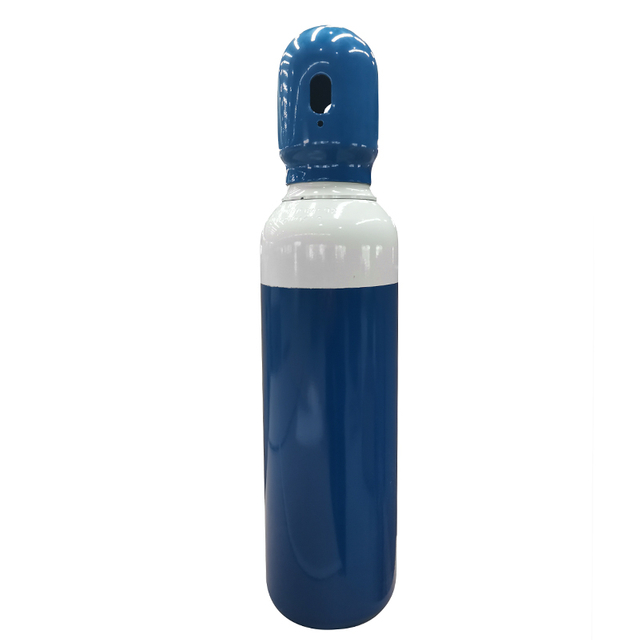
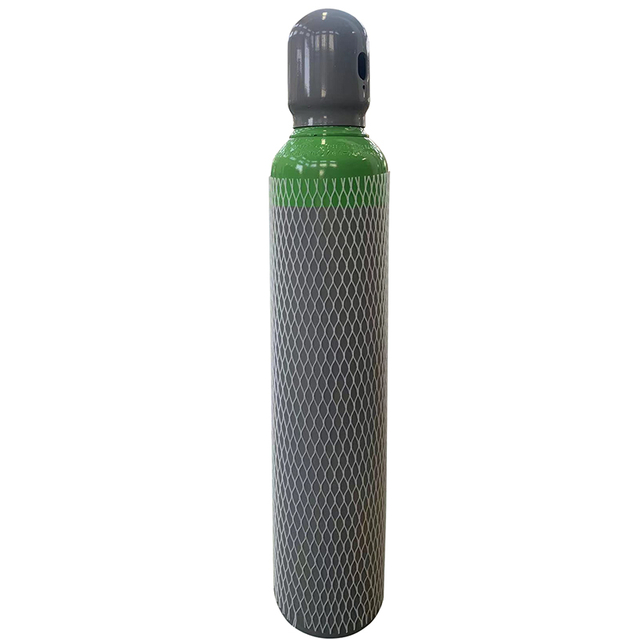
A medical oxygen cylinder is a sophisticated device designed to store and deliver oxygen to patients in need. It consists of several key components:
Cylinder: The main body, typically made from high-strength materials like aluminum or steel, designed to withstand high pressure.
Valve: Controls the release of oxygen. It's essential for safe operation and helps regulate the flow.
Pressure Gauge: Displays the amount of oxygen left in the cylinder, ensuring users know when to replace or refill.
Regulator: Adjusts the flow rate of oxygen, allowing healthcare providers to customize the delivery according to patient needs.
Delivery System: This can include nasal cannulas or masks, which are used to deliver oxygen directly to the patient.
Using a medical oxygen cylinder requires careful attention to detail. Here’s a simple step-by-step guide:
Inspect the Cylinder: Check for any visible damage or leaks. Ensure the pressure gauge indicates sufficient oxygen.
Attach the Regulator: Securely attach the regulator to the cylinder valve. Ensure it is calibrated for the prescribed flow rate.
Open the Valve: Slowly turn the valve to allow oxygen to flow. Be cautious to avoid sudden pressure changes.
Adjust the Flow Rate: Using the regulator, set the flow rate according to the healthcare provider’s instructions.
Connect the Delivery System: Attach nasal cannulas or masks to the tubing, ensuring a snug fit for effective oxygen delivery.
Monitor Usage: Keep an eye on the pressure gauge during use. Replace or refill the cylinder as needed.
Safety is paramount when handling medical oxygen cylinders. Here are some critical safety measures:
Avoid Flammable Materials: Oxygen supports combustion, so keep the cylinder away from flammable substances.
Secure the Cylinder: Ensure the cylinder is upright and secured to prevent it from falling over.
Regular Inspections: Conduct routine checks for leaks, gauge functionality, and overall cylinder integrity.
Proper Storage: Store cylinders in a cool, dry place, away from direct sunlight and heat sources.
Training: Ensure all personnel handling the cylinders are adequately trained in their operation and emergency procedures.
By understanding how medical oxygen cylinders work and adhering to safety protocols, healthcare providers can ensure effective and safe oxygen therapy for patients.
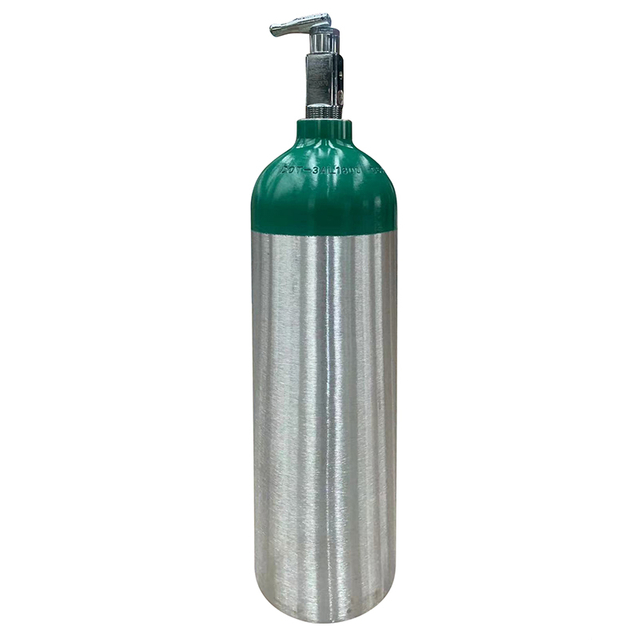
When it comes to medical oxygen cylinders, understanding the different types available is crucial for effective oxygen therapy. Each type is designed for specific uses, catering to various patient needs and healthcare settings. Below are the primary types of medical oxygen cylinders:
Type A cylinders are larger and primarily used in hospitals and medical facilities. They provide a higher volume of oxygen, making them suitable for continuous use. Their robust design ensures they can withstand the demands of a busy healthcare environment. These cylinders are ideal for patients who require a steady supply of oxygen over extended periods, such as those in critical care or undergoing surgery.
Type B cylinders are more compact and portable than Type A. They are often used for home care or short-term oxygen therapy. Their smaller size makes them easier to transport, which is beneficial for patients who need supplemental oxygen while traveling or during outpatient visits. Although they hold less oxygen than Type A cylinders, they still provide sufficient support for patients with moderate respiratory issues.
Type D cylinders are known for their portability and are often used in emergency situations. Their design allows for easy transport, making them ideal for ambulances and home use. These cylinders provide a medium amount of oxygen, striking a balance between size and capacity. They are particularly useful for patients who need oxygen therapy during short trips or while engaging in daily activities.
Type E cylinders are the most portable option available. They are lightweight and designed for short-term oxygen therapy, particularly useful for patients on the go. These cylinders are often used in emergency kits or for travel. While they hold less oxygen than larger cylinders, they are perfect for situations where mobility is essential, allowing patients to maintain an active lifestyle while receiving the necessary oxygen support.
| Type | Description | Best For |
|---|---|---|
| A | Larger, high-volume cylinders | Continuous use in hospitals |
| B | Compact, portable cylinders | Home care and short-term therapy |
| D | Medium-sized, portable cylinders | Emergency situations and home use |
| E | Lightweight, very portable cylinders | Short-term therapy and travel |
Each type of medical oxygen cylinder serves a specific purpose, ensuring that patients receive the appropriate level of oxygen therapy based on their individual needs. When selecting a cylinder, consider the patient's oxygen requirements, the intended use, and the environment in which it will be utilized.
Medical oxygen cylinders play a vital role in healthcare, providing essential support to patients with respiratory issues. Here are the key benefits of using these cylinders:
One of the primary advantages of medical oxygen cylinders is their ability to deliver a concentrated oxygen supply. For patients experiencing respiratory distress, such as those with chronic obstructive pulmonary disease (COPD) or pneumonia, a consistent and adequate oxygen supply is crucial. Medical oxygen cylinders ensure that patients receive the necessary oxygen to sustain vital bodily functions. This can lead to improved overall health, increased energy levels, and better quality of life for individuals who struggle with breathing difficulties.
Medical oxygen cylinders come in various sizes, making them portable and convenient for different settings. Smaller cylinders, like Type D and E, are lightweight and easy to carry. This portability allows patients to continue their daily activities, whether at home, in transit, or during outdoor activities. Healthcare providers can also transport these cylinders easily, ensuring that patients have access to oxygen therapy wherever they go. The convenience of having a medical oxygen cylinder on hand can significantly reduce anxiety for both patients and caregivers, knowing that they can manage respiratory issues effectively.
When comparing medical oxygen cylinders to other oxygen delivery methods, such as oxygen concentrators, cylinders often prove to be more cost-effective, especially for short-term use. Oxygen cylinders provide a reliable supply of oxygen without the need for electricity or complex machinery. This can be particularly beneficial in emergency situations or in areas where electricity is unreliable. Additionally, the initial investment for purchasing oxygen cylinders is generally lower than that of concentrators, making them a more accessible option for many healthcare facilities and patients.
When it comes to providing supplemental oxygen, both medical oxygen cylinders and oxygen concentrators serve critical roles. However, they operate differently and are suited for various situations. Understanding these differences can help healthcare providers make informed decisions about which device to use for their patients.
Medical oxygen cylinders store compressed oxygen gas in a sealed container. They provide a finite amount of oxygen, allowing patients to inhale until the cylinder is empty. This makes them ideal for situations where immediate access to oxygen is necessary, such as emergencies or short-term use.
On the other hand, oxygen concentrators work by filtering ambient air to extract oxygen. They continuously produce oxygen as long as they are powered on. This allows for an unlimited supply of oxygen, making them suitable for long-term therapy in home or clinical settings.
Portability is a key factor when choosing between these two devices. Oxygen cylinders come in various sizes, from small, portable types to large, stationary ones. Smaller cylinders, like Type D and E, are lightweight and easy to transport, making them convenient for patients who need oxygen on the go.
Oxygen concentrators are generally more cumbersome due to their size and the need for a power source. However, newer models have become more compact and user-friendly. For patients who require continuous oxygen therapy at home, concentrators may be more practical despite their lack of portability.
Cost is another critical consideration. Medical oxygen cylinders typically have a lower initial purchase price compared to oxygen concentrators. However, the ongoing costs of refilling cylinders can add up, especially for long-term use.
In contrast, oxygen concentrators require a higher upfront investment but are often more cost-effective in the long run. They don't need refills, and maintenance costs are generally lower. The lifespan of oxygen cylinders can vary, but they usually last several years. Oxygen concentrators, when properly maintained, can last for a decade or more, making them a more sustainable option for long-term oxygen therapy.
In summary, both medical oxygen cylinders and oxygen concentrators have their advantages and disadvantages. The choice between them depends on the patient's specific needs, the duration of oxygen therapy required, and financial considerations.
Selecting the appropriate medical oxygen cylinder is essential for ensuring effective oxygen therapy for patients. The choice depends on various factors, including patient needs, cylinder size, and budget constraints. Here’s how to navigate this process effectively.
The first step in choosing the right oxygen cylinder is to assess the patient's oxygen requirements. Different conditions may necessitate varying levels of oxygen supply. For instance, patients with chronic obstructive pulmonary disease (COPD) might need a continuous flow of oxygen, while those recovering from surgery may only require it during specific activities. Understanding the patient's medical condition, lifestyle, and activity level will help determine the most suitable type and size of oxygen cylinder.
Oxygen cylinders come in various sizes, each designed to meet specific needs. The capacity of a cylinder is measured in liters and indicates how much oxygen it can hold. Here are some common types:
Type A: Larger cylinders suitable for hospitals, providing a high volume of oxygen for continuous use.
Type B: Medium-sized cylinders ideal for home care or short-term therapy.
Type D: Compact cylinders often used in emergencies, balancing portability and capacity.
Type E: The most portable option, perfect for short-term therapy and travel.
Choosing the right size is crucial. A cylinder that is too small may run out quickly, while one that is too large can be cumbersome and impractical for the patient.
Cost is a significant factor when selecting a medical oxygen cylinder. Prices can vary based on the type and size of the cylinder, as well as the manufacturer. Here are some considerations:
Initial Purchase Price: Smaller cylinders are generally less expensive, making them more accessible for home use.
Refill Costs: Larger cylinders may have a higher initial cost but can be more economical in the long run due to fewer refills.
Insurance Coverage: Check if the insurance plan covers the cost of the cylinder and any necessary accessories.
When budgeting, consider both the upfront costs and the ongoing expenses associated with oxygen therapy. It may be beneficial to consult healthcare providers or suppliers for recommendations on cost-effective options that meet the patient’s needs.
In summary, choosing the right medical oxygen cylinder involves a careful assessment of patient needs, understanding the size and capacity requirements, and evaluating the associated costs. By taking these factors into account, healthcare providers can ensure that patients receive the most appropriate and effective oxygen therapy.
Medical oxygen cylinders are crucial for delivering oxygen to patients with respiratory issues. They consist of various components, including valves, regulators, and delivery systems. Understanding how to operate and maintain these cylinders is essential for safety and efficacy. Selecting the right cylinder type based on patient needs ensures effective therapy. RUIYING offers high-quality medical oxygen cylinders designed for reliability and ease of use, providing value to healthcare providers and patients alike. Always make informed decisions regarding oxygen therapy for optimal patient care.
A: A medical oxygen cylinder is a device designed to store and deliver oxygen to patients in need, consisting of a high-strength cylinder, valve, pressure gauge, regulator, and delivery system.
A: A medical oxygen cylinder works by storing compressed oxygen and releasing it through a valve, allowing healthcare providers to adjust the flow rate for patient needs.
A: Patients need a medical oxygen cylinder to receive concentrated oxygen supply, essential for those with respiratory issues like COPD or pneumonia.
A: Benefits include improved oxygen supply, portability, convenience, and cost-effectiveness compared to other oxygen delivery methods.
A: The cost of a medical oxygen cylinder varies by type and size, ranging from $75 to $800, depending on features and materials.