Views: 0 Author: Site Editor Publish Time: 2026-06-14 Origin: Site


Did you know medical oxygen purity directly affects patient safety? Medical oxygen cylinders supply oxygen for critical care. Purity levels must be strictly controlled to avoid risks.
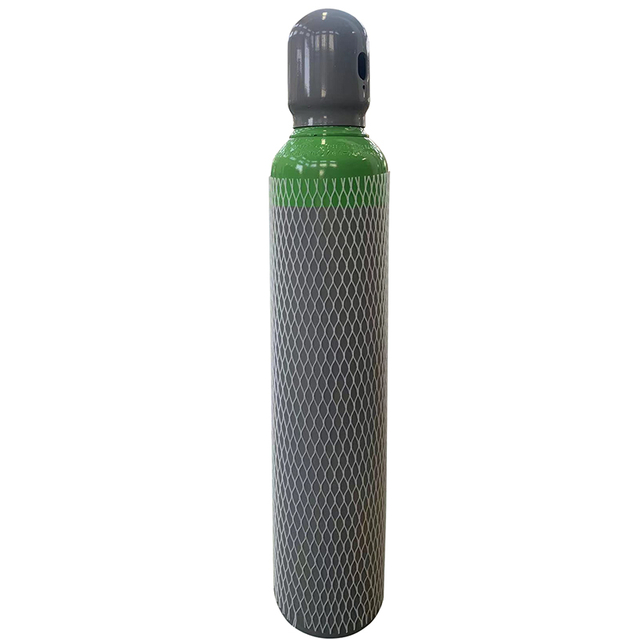
A medical oxygen cylinder stores oxygen for medical use. High purity prevents harmful contaminants from affecting patients. Typically, oxygen purity must be at least 99.0%.
In this post, you’ll learn about standard oxygen purity levels, why purity matters, and how regulations ensure safe medical oxygen supply.
Table of Contents
Medical oxygen cylinders must meet strict purity standards to ensure patient safety and effectiveness. These standards come from authoritative bodies like the United States Pharmacopeia (USP) and the Food and Drug Administration (FDA).
The USP sets the benchmark for medical oxygen purity. According to their guidelines, medical oxygen must contain at least 99.0% pure oxygen by volume. This high purity ensures the oxygen delivered is free from harmful contaminants that could affect patient health.
The FDA classifies medical oxygen as a drug, subjecting it to rigorous regulatory oversight. This classification means manufacturers must comply with strict production, labeling, and quality control standards. The FDA's regulation guarantees that medical oxygen is safe, effective, and consistently meets purity requirements.
To maintain safety, the USP and FDA limit contaminants in medical oxygen cylinders to very low levels:
Carbon dioxide (CO2): Must be less than 300 parts per million (ppm). Excess CO2 can cause respiratory complications.
Carbon monoxide (CO): Must be under 5 ppm. CO binds with hemoglobin, reducing oxygen delivery to tissues, which can be dangerous.
Moisture: Should be minimal to prevent corrosion and equipment malfunction. Moisture can also foster bacterial growth.
These limits ensure oxygen purity remains high and safe for medical use.
Proper labeling is critical. Medical oxygen cylinders must be clearly marked with “Oxygen USP” to distinguish them from industrial or other oxygen grades. This label confirms the cylinder meets pharmaceutical standards.
Handling protocols require cylinders to be:
Stored in clean, dry environments away from contaminants.
Completely evacuated between fillings to avoid cross-contamination.
Inspected regularly for leaks, damage, or contamination.
These practices help maintain oxygen purity and prevent patient exposure to harmful substances.
Note: Always verify medical oxygen cylinders carry the “Oxygen USP” label and meet contaminant limits before clinical use to ensure patient safety and regulatory compliance.
While many assume medical oxygen is always purer than industrial oxygen, their purity levels often overlap. Industrial oxygen cylinders can reach purities around 99.5%, sometimes even higher. Medical oxygen cylinders, however, must meet a minimum purity of 99.0% as per USP standards. The key difference lies not in the percentage alone but in the strict control over contaminants and consistency in medical oxygen.
Medical oxygen faces rigorous regulatory oversight. Agencies like the FDA classify it as a drug, enforcing strict manufacturing, labeling, and testing protocols. Each batch undergoes quality control testing and requires certificates of analysis to ensure compliance with purity and contaminant limits.
Industrial oxygen, used in welding or manufacturing, doesn’t undergo such stringent testing. It lacks the mandatory batch certification and may not be subject to the same regular inspections. This regulatory gap means industrial oxygen may contain trace impurities unsuitable for patient use.
Medical oxygen cylinders must be completely evacuated before refilling. This process removes residual gases or contaminants from previous fills, preventing cross-contamination. It’s a critical step to maintain purity and patient safety.
Industrial oxygen cylinders often skip this evacuation step, leaving behind residual gases or moisture. This practice can introduce impurities or contaminants that pose risks if used medically.
Equipment used for medical oxygen production and filling must be oil-free and free from hydrocarbons. Oil contamination in oxygen systems can cause dangerous reactions, including fires or explosions, and compromise oxygen purity.
Industrial oxygen production equipment may not adhere to these strict oil-free standards. This difference ensures medical oxygen remains uncontaminated and safe for clinical use.
Tip: Always verify medical oxygen cylinders have undergone proper evacuation and batch testing to ensure purity and patient safety.
Medical oxygen cylinders play a vital role during surgeries and emergency care. They provide a reliable source of oxygen to maintain adequate blood oxygen levels when patients are under anesthesia or experiencing respiratory distress. In emergencies like cardiac arrest or trauma, rapid oxygen delivery through cylinders supports vital organ function and improves survival chances.
Patients with chronic respiratory diseases such as Chronic Obstructive Pulmonary Disease (COPD) or severe asthma often rely on medical oxygen cylinders for daily symptom management. Controlled oxygen therapy helps maintain proper oxygen saturation, reducing complications and improving quality of life. Precise oxygen purity and concentration are crucial to avoid risks like oxygen-induced respiratory depression.
The COVID-19 pandemic highlighted the critical importance of medical oxygen cylinders. Severe cases often involved respiratory failure requiring supplemental oxygen. Hospitals worldwide faced surges in demand, prompting expanded oxygen supply infrastructure. Medical oxygen’s purity and availability became lifesaving factors for millions affected by the virus.
Hyperbaric oxygen therapy (HBOT) uses 100% pure medical oxygen delivered at higher than atmospheric pressure. This treatment aids healing in conditions like carbon monoxide poisoning, diabetic foot ulcers, and decompression sickness. The therapy depends on ultra-high purity oxygen to maximize therapeutic effects and ensure patient safety.
Many patients require oxygen therapy outside hospitals. Home oxygen therapy involves portable cylinders or oxygen concentrators that supply oxygen at 87-95% purity. While concentrators provide convenience, cylinders remain essential for portability and backup. Maintaining oxygen purity in these devices ensures effective treatment and prevents complications.
Tip: Ensure oxygen cylinders used in clinical settings meet purity standards and are regularly inspected to provide safe, effective respiratory support for patients.
Oxygen itself doesn’t burn, but it makes fires burn much faster and hotter. In oxygen-enriched spaces, materials that normally don’t catch fire easily can ignite quickly. For example, cotton or clothing exposed to high oxygen levels can burst into flames from a small spark. This risk means oxygen cylinders must be handled carefully to avoid creating fire hazards.
To reduce fire risks, avoid open flames, smoking, or sparks near oxygen cylinders. Keep cylinders away from heat sources and electrical equipment that might cause sparks. Petroleum-based products, including some lotions or petroleum jelly, can catch fire easily when oxygen saturates them. Patients and caregivers should be educated about these dangers to maintain a safe environment.
Breathing very high oxygen concentrations for too long can harm body tissues, a condition called oxygen toxicity. It may cause lung irritation, coughing, or even damage to the central nervous system. Oxygen toxicity risk increases when oxygen levels exceed 60% for extended periods. Medical professionals must carefully control oxygen flow and duration to avoid these complications.
Store oxygen cylinders upright in well-ventilated, dry areas away from flammable materials. Secure cylinders to prevent tipping or falling. Always use regulators and equipment designed specifically for medical oxygen to avoid leaks or contamination. Inspect cylinders regularly for damage or leaks before use. Transport cylinders carefully, keeping valve caps on when not in use. These steps help ensure safety and maintain oxygen purity.
Tip: Train all personnel on fire safety and oxygen toxicity risks to prevent accidents and ensure safe oxygen cylinder use in healthcare settings.
Every batch of medical oxygen cylinders undergoes rigorous testing before distribution. Manufacturers test oxygen purity and contaminant levels to ensure compliance with USP and FDA standards. Each batch receives a certificate of analysis, a document confirming oxygen meets the required purity (at least 99.0%) and contaminant limits (e.g., carbon monoxide under 5 ppm). These certificates provide traceability and assurance to healthcare providers that the oxygen is safe for patient use.
Oil or grease contamination in oxygen production or filling equipment poses serious risks. Even tiny amounts can react violently with oxygen, causing fires or explosions. To prevent this, medical oxygen cylinders are manufactured and filled using oil-free equipment and lubricants. Strict protocols ensure all machinery remains free from hydrocarbons throughout production. This oil-free environment protects both product purity and safety during handling.
Before refilling, cylinders must be completely evacuated to remove residual gases or contaminants from previous contents. This step prevents cross-contamination and maintains consistent oxygen purity. Evacuation typically involves vacuum pumping or purging with high-purity oxygen. Skipping this process risks mixing gases or introducing moisture, which can degrade oxygen quality and potentially harm patients.
Consistency is critical in medical oxygen supply. Continuous quality control includes periodic sampling, gas chromatography analysis, and moisture testing. Cylinders are inspected for leaks, corrosion, or damage that might compromise purity. Quality assurance teams monitor manufacturing conditions and storage environments to prevent contamination. These measures ensure every cylinder delivers reliable, high-purity oxygen essential for effective treatment.
Tip: Always request certificates of analysis and verify oil-free production processes when sourcing medical oxygen cylinders to guarantee patient safety and regulatory compliance.
Recent advances in oxygen purification technologies have enhanced the quality and consistency of medical oxygen. Modern air separation units use improved cryogenic distillation and pressure swing adsorption (PSA) methods, delivering oxygen purities exceeding 99.5%. These methods reduce contaminants more effectively and increase production efficiency. Additionally, real-time gas analyzers integrated into filling systems monitor oxygen purity continuously, ensuring immediate detection of deviations. This technology helps maintain strict compliance with regulatory standards and supports patient safety.
Healthcare demands are evolving, driven by aging populations and rising chronic respiratory diseases. This shift requires oxygen supplies that are not only pure but also adaptable to different delivery methods. As more patients use home oxygen therapy and portable devices, oxygen purity standards are expanding to address these settings. Regulatory bodies may update guidelines to ensure oxygen purity remains consistent outside hospital environments. Furthermore, pandemics like COVID-19 have underscored the need for scalable oxygen production and distribution systems that maintain high purity even under pressure.
Regulatory agencies continuously review standards to keep pace with scientific discoveries and clinical needs. Future changes may tighten contaminant limits or introduce new parameters for emerging impurities detected through advanced testing. For example, regulations could require more frequent batch testing or enhanced traceability using digital tracking technologies. Additionally, environmental concerns might push for greener production processes without compromising oxygen purity. Manufacturers and healthcare providers must stay informed about evolving regulations to ensure compliance and patient safety.
Portable oxygen concentrators and home delivery systems are becoming more sophisticated. New devices incorporate advanced filtration and purification technologies to guarantee oxygen purity close to hospital-grade standards. Lightweight, battery-efficient concentrators allow patients greater mobility while maintaining reliable oxygen supply. Some systems feature smart sensors that adjust oxygen flow based on real-time patient needs, improving therapy effectiveness. Innovations also include safer cylinder materials and designs that reduce contamination risks during transport and storage. These developments expand access to high-purity oxygen in diverse care settings.
Tip: Stay updated on emerging purification technologies and regulatory changes to ensure your medical oxygen supply consistently meets evolving purity standards and patient care demands.
Medical oxygen cylinders must meet strict purity standards, including at least 99.0% oxygen content, to ensure patient safety. Compliance with these standards and safety protocols is vital for effective treatment and preventing contamination. Medical oxygen cylinders play a critical role in surgeries, emergency care, and chronic disease management. Shaoxing Ruiying High Pressure Vessel Co., Ltd. provides high-quality cylinders designed to maintain optimal oxygen purity, supporting reliable and safe healthcare delivery. Their products offer durability and strict adherence to regulatory requirements, adding value to medical oxygen supply systems.
A: A medical oxygen cylinder must contain at least 99.0% pure oxygen by volume, meeting USP and FDA standards to ensure safety and effectiveness.
A: High purity prevents harmful contaminants like carbon monoxide and moisture, protecting patient health during oxygen therapy.
A: Medical oxygen cylinders undergo rigorous testing and contamination controls, while industrial oxygen lacks strict quality oversight and may contain impurities.
A: Store cylinders upright in dry areas, avoid ignition sources, and use oil-free equipment to prevent fire hazards and maintain purity.
A: Through batch testing, certificates of analysis, oil-free manufacturing, and proper cylinder evacuation between fillings to maintain consistent oxygen quality.